Importance of Women's Safety in Democracy
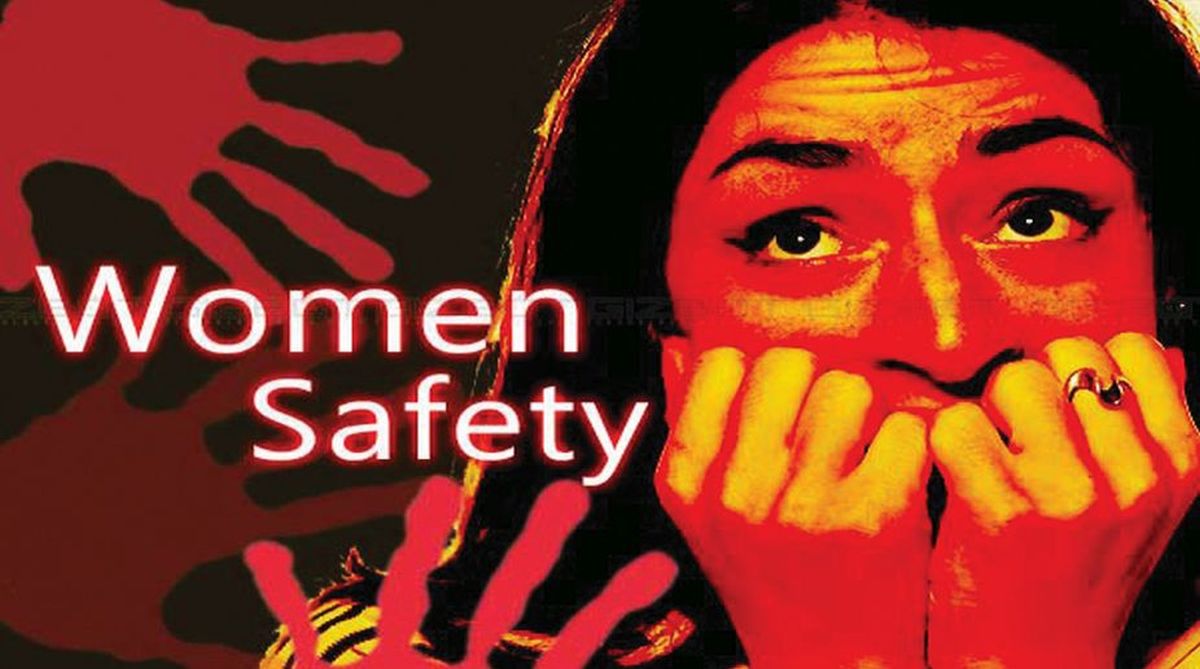
Democracy is often celebrated as a system that empowers citizens, ensures their rights, and fosters an inclusive society. However, for a democracy to truly flourish, it must prioritize the safety and security of all its citizens, especially women. Women's safety is not merely a matter of law and order; it is a fundamental human right that must be upheld to ensure equal participation and meaningful contribution of women in all spheres of society. This essay delves into the importance of women's safety in a democracy, highlighting the significance of safeguarding their rights, promoting gender equality, and fostering an environment that encourages their active participation.
Gender equality is a fundamental principle of any democratic society. Women constitute approximately half of the world's population and are equally capable of contributing to social, economic, and political development. However, in many parts of the world, women continue to face various forms of discrimination, violence, and harassment. Ensuring women's safety is integral to promoting gender equality, as it allows them to access education, healthcare, and economic opportunities without fear of violence or intimidation. A safe environment empowers women to challenge gender stereotypes, break barriers, and contribute their unique perspectives to the betterment of society.
Political participation is a cornerstone of democracy. Women's active involvement in the political process brings diverse viewpoints, enriches policy debates, and strengthens democratic institutions. Unfortunately, women often face considerable barriers to engaging in politics due to safety concerns. Threats of violence, online harassment, and physical attacks on female politicians can discourage women from entering politics or force them to withdraw from the public sphere. By ensuring women's safety, democracy can create an environment where women feel encouraged to participate in politics without fear of reprisals, leading to more inclusive governance and better representation of women's interests.
Gender-based violence remains a pervasive issue in many societies, and it is particularly detrimental to democratic values. Violence against women not only violates their human rights but also undermines the principles of equality, freedom, and dignity that democracies seek to uphold. By prioritizing women's safety, democracies send a clear message that violence against women will not be tolerated and that all citizens deserve protection under the law. Effective measures to prevent and address gender-based violence not only safeguard women but also contribute to creating a more just and equitable society.
Women's safety is closely linked to their economic empowerment. When women are confident in their safety, they are more likely to participate in the workforce and pursue entrepreneurial opportunities. Economic empowerment of women not only benefits them personally but also has a positive impact on families, communities, and the overall economy. Women's financial independence enables them to make informed choices, access better healthcare and education for their children, and contribute to poverty reduction efforts. Therefore, in a democratic society, ensuring women's safety becomes crucial to achieving sustainable and inclusive economic development.
Education is a key driver of social progress and development. Women's safety is a prerequisite for girls to attend school without fear of violence or harassment. Inclusive and safe educational environments allow girls and women to acquire knowledge, skills, and confidence, enabling them to participate fully in society. Educated women are more likely to challenge traditional norms, advocate for their rights, and contribute positively to their communities. A democratic society that values women's safety invests in education, recognizing it as a means to foster social progress and gender equality.
The importance of women's safety in a democracy cannot be overstated. Safeguarding the rights and security of women is not only a moral imperative but also an essential step towards building a more equitable and prosperous society. Gender equality, women's political participation, prevention of gender-based violence, economic empowerment, education, and social progress are all interconnected aspects that thrive when women feel safe and valued. By prioritizing women's safety, democracies reinforce their commitment to upholding human rights, promoting inclusivity, and creating an environment where every citizen can contribute to the betterment of society. Empowering women and ensuring their safety is not just a goal; it is an indispensable part of achieving a thriving and vibrant democracy.