India vs China LAC Dispute 2026 Explained: Military Tension और Trade Risk का पूरा सच
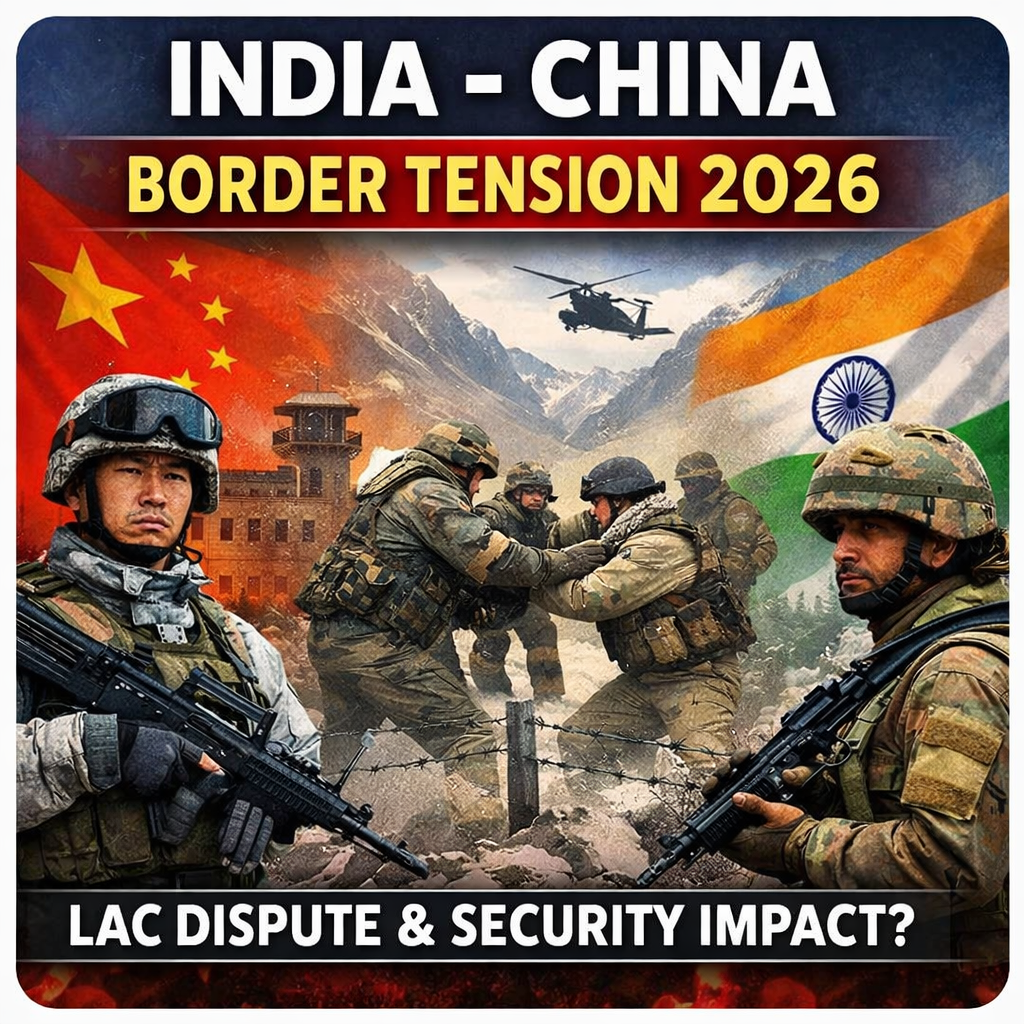
बहुत से लोग मानते हैं कि भारत-चीन सीमा पर मामला अब लगभग सामान्य हो चुका है। क्योंकि 2024 में Depsang और Demchok पर patrolling arrangement हो गया, disengagement हो गया, नेताओं की मुलाकातें भी हो गईं। लेकिन असली uncomfortable truth यह है कि LAC पर तनाव सिर्फ सैनिकों की दूरी से तय नहीं होता, बल्कि trust deficit, infrastructure gap, patrolling rights, logistics speed, और political signalling से तय होता है। और यही वजह है कि 2026 में सवाल यह नहीं है कि युद्ध होगा या नहीं। असली सवाल यह है कि क्या सीमा पर शांति वापस आई है, या सिर्फ टकराव का तरीका बदल गया है। आज हम सिर्फ news नहीं, पूरा system समझेंगे।
सबसे पहले एक basic बात साफ कर लेते हैं। LAC यानी Line of Actual Control कोई formally demarcated international boundary नहीं है। यह वह line है जिसे दोनों पक्ष अपने-अपने हिसाब से समझते हैं, लेकिन हर जगह उस समझ पर सहमति नहीं है। यही ambiguity friction पैदा करती है। आसान भाषा में समझिए, यह वैसा खेत नहीं है जिसके चारों तरफ पक्की दीवार हो। यह वैसा इलाका है जहाँ दो पड़ोसी अपनी-अपनी सीमा अलग-अलग मानते हैं, और जब दोनों एक ही जगह तक पहुँचने लगते हैं, तब patrol face-off, banner drill, blocking, buffer, और military buildup शुरू हो जाते हैं। इसी structural ambiguity ने 2020 के बाद पूरे border management model को हिला दिया। (विदेश मंत्रालय, 2025)
Galwan clash को सिर्फ एक isolated violent episode समझना गलती होगी। 2020 में Chinese side ने Western Sector में status quo बदलने की कोशिश की, यह बात भारत सरकार ने संसद में स्पष्ट रूप से कही है। उसके बाद Pangong Tso, Gogra-Hot Springs जैसे कुछ friction points पर चरणबद्ध disengagement हुआ, लेकिन Depsang और Demchok लंबे समय तक unresolved रहे। इसलिए जब लोग कहते हैं कि “2024 में सब सुलझ गया”, तो वह अधूरी बात है। सही बात यह है कि 21 October 2024 को patrolling arrangement बना, जिससे Depsang और Demchok में disengagement लागू हुआ, और 2025 तक भारत सरकार ने कहा कि 2020 के friction points से disengagement effect हो चुका है। लेकिन disengagement और de-escalation एक चीज नहीं हैं, और de-escalation तथा final boundary settlement तो उससे भी अलग चीजें हैं। (विदेश मंत्रालय, 2025)
यही पहला बड़ा point है। बहुत लोग friction point को ही पूरा dispute समझ लेते हैं। जबकि friction point सिर्फ symptom है, disease नहीं। Disease है boundary dispute, perception gap, और military mistrust। Depsang की अहमियत इसलिए है क्योंकि यह Daulat Beg Oldie के पास एक strategic area है, जहाँ patrol access और mobility का असर broader deployment posture पर पड़ता है। Demchok इसलिए sensitive है क्योंकि वहाँ traditional grazing, civilian movement और patrol patterns सब overlap करते हैं। यानी यह सिर्फ सेना बनाम सेना का सवाल नहीं, ground presence बनाम claim assertion का सवाल है। (विदेश मंत्रालय, 2025)
अब यहाँ एक mini recap कर लीजिए। 2020 ने status quo हिला दिया। 2021 से 2024 तक कुछ points पर disengagement हुआ। 2024 में Depsang-Demchok arrangement आया। 2025 में talks resumed हुईं, SR talks हुईं, WMCC meetings हुईं। सुनने में यह stabilisation लगता है। लेकिन यहीं पर ज़्यादा लोग गलत direction में सोचना शुरू कर देते हैं। उन्हें लगता है कि अगर talks चल रही हैं, तो threat कम हो रहा है। जबकि border politics में कई बार talks का मतलब threat का अंत नहीं, threat का managed form होता है।
2025 की diplomacy को ध्यान से देखिए। मार्च 2025 में 33वीं WMCC बैठक हुई। जुलाई 2025 में 34वीं WMCC बैठक हुई। अगस्त 2025 में Wang Yi भारत आए, 24वीं Special Representatives’ dialogue हुई, और दोनों पक्षों ने कहा कि border areas में peace and tranquility बनाए रखना overall bilateral relationship के लिए जरूरी है। साथ ही Expert Group, Working Group, और de-escalation modalities पर चर्चा की बात हुई। इसका मतलब क्या है? इसका मतलब यह कि दोनों देश यह मान रहे हैं कि सिर्फ patrol arrangement काफी नहीं है; border management architecture को नए सिरे से calibrate करना पड़ेगा। (विदेश मंत्रालय, 2025)
लेकिन फिर 2026 में “नया विवाद” क्यों बढ़ा हुआ महसूस होता है? इसलिए क्योंकि नया विवाद हमेशा नई गोलीबारी से नहीं बनता। कभी-कभी नया विवाद तीन चीजों से बनता है। पहला, अलग sectors में political signalling। दूसरा, infrastructure competition। तीसरा, broader geopolitics का local border पर असर। उदाहरण के लिए, Ladakh में disengagement होने के बावजूद Arunachal Pradesh पर Chinese renaming moves जारी रहीं, जिन्हें भारत ने सिरे से खारिज किया। यानी एक sector में stabilisation, दूसरे sector में symbolic pressure। इससे message जाता है कि China tactical thaw दे सकता है, पर strategic claim छोड़ नहीं रहा। (रॉयटर्स, 2025; विदेश मंत्रालय की भारतीय स्थिति)
अब power dynamics समझते हैं, क्योंकि border tension को सिर्फ diplomacy से नहीं, logistics से पढ़ा जाता है। China की सबसे बड़ी ताकत सिर्फ उसकी सेना नहीं, उसकी border-adjacent infrastructure depth है। Tibet और Xinjiang में सड़कें, रेल, airfields, heliports, logistics nodes, dual-use villages, surveillance systems—ये सब मिलकर mobilisation time घटाते हैं। Strategy की भाषा में कहें तो infrastructure, combat multiplier बन जाता है। CSIS की 2025 analysis साफ कहती है कि Tibet plateau पर roads, railways, dams और digital systems सिर्फ development projects नहीं, coercive state power के instruments बन चुके हैं। यह interpretation think-tank analysis है, official statement नहीं, लेकिन military logic के हिसाब से यह inference मजबूत है। (CSIS, 2025)
इसके जवाब में भारत ने भी border infrastructure को dramatically push किया है। December 2025 में BRO के 125 strategic projects dedicate किए गए, जिनमें 28 roads, 93 bridges और Shyok Tunnel जैसे assets शामिल थे, जिनका उद्देश्य last-mile connectivity और forward military locations तक reliable access बढ़ाना है। January 2026 की PIB note के मुताबिक 2024-25 में BRO का highest-ever expenditure 16,690 करोड़ रुपये रहा, 2025-26 के लिए target 17,900 करोड़ रखा गया, और 2024-25 के आसपास सैकड़ों projects dedicate किए गए। इसका मतलब साफ है: भारत अब border पर old mindset, यानी “कम सड़कें मतलब कम vulnerability”, से आगे निकल चुका है। अब सोच यह है कि बिना connectivity के deterrence नहीं बनती। (रक्षा मंत्रालय/PIB, 2025-26)
इसे एक everyday analogy से समझिए। मान लीजिए दो लोग एक ही इलाके पर दावा कर रहे हैं। एक के पास वहाँ तक जाने के लिए चार lane road, fuel depot, drone network और all-weather access है। दूसरे के पास सिर्फ संकरी पगडंडी है। दोनों का दावा कागज़ पर बराबर लग सकता है, लेकिन ground reality बराबर नहीं होगी। सीमा विवाद में जो पहले, तेज़ और टिकाऊ तरीके से पहुँच सकता है, उसका bargaining position मजबूत हो जाता है। इसलिए सड़क, पुल, tunnel, airstrip—ये सिर्फ development नहीं, political messaging भी हैं।
यहीं पर दूसरा mini recap कर लेते हैं। LAC पर अब contest सिर्फ line का नहीं, speed का है। कौन कितनी जल्दी troop move कर सकता है। कौन winter में sustain कर सकता है। कौन patrol denial झेलकर भी claim बनाए रख सकता है। और कौन diplomacy की table पर military pressure के साथ बैठ सकता है। यही 2026 की tension का core है।
अब military posture पर आइए। Reuters ने November 2025 में report किया कि भारत ने Mudh-Nyoma airbase operationalise किया, जो LAC से करीब 30 किलोमीटर दूर है और fighter-capable operations support कर सकता है। इसे सिर्फ एक base मत समझिए। यह signal है कि India high-altitude air mobility, rapid reinforcement और Ladakh theatre readiness को गंभीरता से upgrade कर रहा है। लेकिन दूसरी तरफ report यह भी कहती है कि mistrust बना हुआ है और दोनों पक्ष strong military presence रखे हुए हैं। मतलब thaw है, पर demilitarisation नहीं है। (रॉयटर्स, 2025)
और यही भारत की security challenge है। आपको border पर permanently alert रहना है, जबकि economy को भी grow करना है। आपको infrastructure बनानी है, लेकिन escalation trap से भी बचना है। आपको dialogue जारी रखना है, लेकिन normalcy की premature घोषणा से भी बचना है। इसीलिए 2026 की debate में “नया विवाद” का मतलब सिर्फ यह नहीं कि नई जगह पर clash हो गया। इसका मतलब यह भी है कि old dispute एक new phase में enter कर गया है—जहाँ tactical disengagement के ऊपर strategic competition बैठ गया है।
अब economic angle पर आते हैं, क्योंकि यहीं सबसे बड़ा contradiction छिपा है। राष्ट्रीय सुरक्षा की भाषा कहती है कि China पर critical dependence घटनी चाहिए। लेकिन market reality कहती है कि manufacturing ecosystem अभी भी heavily interconnected है। अगस्त 2025 के एक संसदीय उत्तर के अनुसार FY 2023-24 में भारत का चीन से import 101.74 billion dollar था और यह भारत के total imports का 15 प्रतिशत था। उसी उत्तर के annexure में FY 2024-25 के लिए electronics components में China की share 37.94%, telecom instruments में 43.40%, computer hardware and peripherals में 49.46%, और bulk drugs/drug intermediates में 74.11% बताई गई। यही national security dilemma है। (वाणिज्य मंत्रालय/संसद, 2025)
Pharma APIs का मामला और ज्यादा sensitive है। फरवरी 2026 में PIB ने कहा कि FY 2024-25 में भारत ने APIs, bulk drugs और drug intermediates की लगभग 4.35 billion dollar की imports कीं, जिनमें China की share करीब 73.7% थी। सरकार ने खुद single-source vulnerability, price volatility और pharmaceutical security के risks का उल्लेख किया। मतलब जो चीज आपकी health security से जुड़ी है, उसमें भी strategic dependence बनी हुई है। (PIB, 2026)
तो क्या समाधान decoupling है? इतनी जल्दी नहीं। क्योंकि pure decoupling महंगी होगी, inflationary होगी, और कई industries को झटका देगी। इसलिए भारत का actual approach decoupling नहीं, selective de-risking लगता है। यही वजह है कि एक तरफ PLI, Make in India, bulk drug parks, logistics reforms और domestic manufacturing push है; दूसरी तरफ मार्च 2026 की Reuters report कहती है कि India minority Chinese stakes वाले investments के approvals कुछ sectors में fast-track करने जा रहा है, और कुछ Chinese equipment restrictions भी practical जरूरतों के चलते ease की गई हैं। यानी system कह रहा है: security concerns real हैं, पर economic compulsions भी real हैं। (रॉयटर्स, 2026; PIB/संसद, 2025-26)
यहीं पर ज़्यादा लोग फिर गलत direction में सोचने लगते हैं। वे मान लेते हैं कि या तो China से व्यापार बंद करो, या फिर border concern को exaggerate मत करो। लेकिन statecraft binary नहीं होता। हो सकता है आप border पर deterrence बढ़ाएँ, telecom और critical supply chains में scrutiny रखें, और फिर भी non-sensitive sectors में calibrated economic engagement रखें। UPSC की भाषा में यह security-economic balancing है, not emotional policymaking.
अब geopolitical layer समझिए। QUAD को सीधे India-China border dispute का alliance response मानना oversimplification होगा, लेकिन यह भी सच है कि Indo-Pacific equation China की threat perception को shape करती है। जुलाई 2025 की Quad Foreign Ministers’ joint statement में rule of law, sovereignty, territorial integrity, coercion का विरोध, और free and open Indo-Pacific पर जोर दिया गया। चीन का नाम हर लाइन में नहीं है, लेकिन regional signalling स्पष्ट है। Beijing ऐसी coalitions को containment lens से देखता है, खासकर जब maritime security, critical technology और economic security को जोड़कर देखा जाए। (Quad Joint Statement, 2025)
Taiwan factor भी यहीं जुड़ता है, लेकिन इसे सावधानी से समझना होगा। यह कहना गलत होगा कि China सिर्फ Taiwan की वजह से LAC पर aggressive है। पर यह कहना सही है कि जब Beijing multiple theatres में coercive posture maintain करता है, तब वह peripheral fronts पर भी pressure leverage बनाए रखना चाहता है। Reuters की मार्च 2026 report में Taiwan defence debate और Chinese military buildup को pressing threat कहा गया। इससे एक broader inference निकलता है: China अपनी coercive credibility अलग-अलग fronts पर dilute नहीं करना चाहता। इसलिए India front पर complete strategic relaxation Beijing के लिए आसान विकल्प नहीं है। यह inference है, established official admission नहीं।
इसके साथ एक और element जोड़िए—water and borderland infrastructure. अक्टूबर 2025 की Reuters report में भारत की Brahmaputra basin hydro transmission planning का उल्लेख आया, उसी context में upstream Chinese dam building को highlight किया गया। जब Tibet plateau पर dams, roads और digital systems साथ-साथ बढ़ते हैं, तब border security सिर्फ troop issue नहीं रहती; वह resource security और downstream vulnerability का भी प्रश्न बन जाती है। विशेषकर Arunachal sector में यह dimension आने वाले वर्षों में और अहम हो सकता है। (रॉयटर्स, 2025; CSIS, 2025)
अब opposing viewpoints भी देख लेते हैं, क्योंकि UPSC style analysis बिना उसके अधूरा है। एक viewpoint कहता है कि 2024-25 के बाद India-China relations में genuine stabilisation हुई है। evidence क्या है? disengagement arrangement, WMCC meetings, SR talks, people-centric steps, Kailash Mansarovar, direct flights और broader ties rebuild करने की कोशिश। यह viewpoint पूरी तरह गलत नहीं है। (विदेश मंत्रालय, 2025)
दूसरा viewpoint कहता है कि यह stabilisation superficial है। reason यह कि forward deployments और infrastructure competition जारी हैं, trust deficit खत्म नहीं हुआ, Arunachal पर claim politics जारी है, और China tactical calm को strategic advantage में बदलने की कोशिश कर सकता है। इस viewpoint को भी support मिलता है—Reuters reports, renaming controversy, continued military presence, और India के infrastructure acceleration से। (रॉयटर्स, 2025; रक्षा मंत्रालय/PIB, 2025)
तो balanced conclusion क्या होगा? न तो “सब सामान्य” वाली line टिकती है, न “युद्ध बस होने ही वाला है” वाली line। अधिक सटीक assessment यह है कि India-China border अब controlled instability के phase में है। यानी open war दोनों नहीं चाहते, लेकिन hard competition दोनों छोड़ भी नहीं रहे। यही 2026 का strategic mood है।
अब future scenarios पर चलते हैं। पहला scenario है limited conflict। इसकी probability low to moderate मानी जा सकती है, क्योंकि दोनों nuclear powers हैं, दोनों की बड़ी economies हैं, और 2020 के बाद escalation cost सबको दिख चुकी है। लेकिन local miscalculation, patrol confrontation, aggressive blocking, airspace signalling, या infrastructure-triggered face-off से limited kinetic incident की संभावना शून्य नहीं है। खासकर जहाँ perception gap और forward posture overlap करते हैं। यह एक analytical assessment है, official forecast नहीं।
दूसरा scenario है prolonged standoff। यह सबसे realistic लगता है। क्यों? क्योंकि इसमें दोनों अपनी claims नहीं छोड़ते, deployments बनाए रखते हैं, talks भी चलती रहती हैं, और occasional stabilisation measures से crisis manage होता रहता है। 2020 के बाद का pattern हमें यही सिखाता है कि border problem को freeze करके भी जिया जा सकता है, बस cost बहुत अधिक होती है—fiscal cost, military fatigue, logistics burden, diplomatic distraction, और strategic bandwidth की cost।
तीसरा scenario है strategic freeze with managed competition। इसमें final boundary settlement नहीं होगा, लेकिन clearer protocols, sector-specific mechanisms, communication channels, and limited de-escalation steps से confrontation को ceiling के भीतर रखा जाएगा। अगस्त 2025 की SR dialogue में Expert Group, Working Group और de-escalation modalities की चर्चा इसी दिशा की तरफ इशारा करती है। यह long-term peace नहीं, but conflict management architecture हो सकता है। (विदेश मंत्रालय, 2025)
तो India की long-term border doctrine क्या होनी चाहिए? पहली बात, border management को infrastructure, surveillance, air mobility, ISR, cyber and communications के integrated model में देखना होगा। दूसरी बात, local tactical readiness और national strategic patience दोनों साथ चाहिए। तीसरी बात, economic security को national security से अलग compartment में नहीं रखा जा सकता। critical imports, electronics, telecom, APIs, rare inputs—इन सब पर phased de-risking जरूरी है। चौथी बात, diplomacy को weakness नहीं, force multiplier की तरह इस्तेमाल करना होगा। क्योंकि हर dispute का answer bullets नहीं होते; कई बार strong bargaining position road, tunnel, stockpile, winter habitat और credible restraint से बनती है।
और सबसे अहम doctrinal lesson यह है कि भारत को China policy में episodic reaction से बाहर आना होगा। Galwan के बाद shock, फिर infrastructure push, फिर talks, फिर trade contradiction—यह cycle तब तक दोहराएगी जब तक India एक coherent border doctrine न बनाए, जिसमें deterrence, de-risking, diplomacy और domestic capacity-building चारों साथ चलें। यही UPSC answer का भी core बनेगा: border issue सिर्फ territorial नहीं, comprehensive national power का test है।
अंत में सबसे बड़ा सवाल यही है कि क्या भारत-चीन सीमा पर असली समस्या line की है, या trust की? क्या हम सिर्फ friction points गिनकर संतुष्ट हो जाएँ, या यह समझें कि infrastructure, trade dependence, technology supply chains, water, diplomacy और military posture—सब मिलकर इस संकट को बनाते हैं? और अगर कल UPSC में सवाल आ जाए कि “India-China border dispute has moved from territorial contest to multi-domain strategic competition” तो आप इसे कैसे approach करेंगे? और एक सामान्य नागरिक के रूप में आप क्या सोचते हैं—root problem policy में है, execution में है, या China को लेकर हमारी understanding अभी भी surface-level है?