Will Rain Finally Bring Relief? Strong Western Disturbance May Change India’s Weather
Will Rain Finally Bring Relief? Strong Western Disturbance May Change India’s Weather
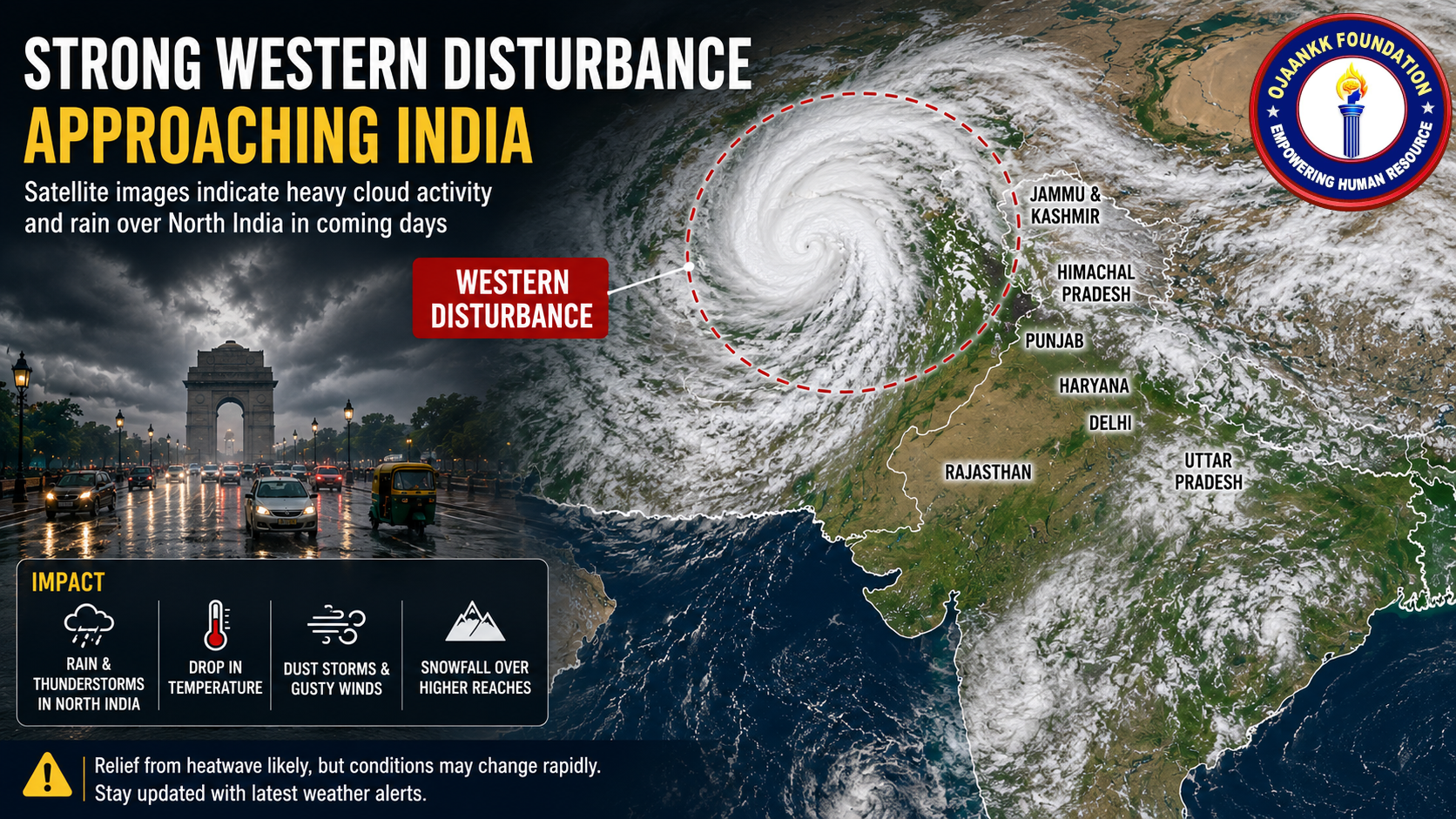
After weeks of intense heatwave conditions across North India, a strong Western Disturbance is now expected to bring major weather changes across several states. Satellite images released by weather agencies indicate that thick cloud systems and atmospheric activity are moving toward northern India, increasing the possibility of the following: (https://www.ojaank.com/)
-
Rainfall
-
Thunderstorms
-
Dust storms
-
Strong winds
-
Temporary relief from extreme heat
Several cities including Delhi, Jaipur, Chandigarh, Lucknow, and parts of Punjab and Haryana have been witnessing temperatures above 45°C. The arrival of this weather system may finally provide some relief to millions of people struggling with scorching summer conditions.
At the same time, experts warn that India’s increasingly unpredictable weather patterns are closely linked to climate change and rising global temperatures.
What is a Western Disturbance?
A Western Disturbance is a weather system that originates near the Mediterranean region and travels eastward toward India through high-altitude winds.
These disturbances carry:
-
Moisture
-
Cold air
-
Cloud systems
which often result in:
-
Rainfall
-
Snowfall in Himalayan regions
-
Thunderstorms
-
Sudden temperature changes
across North India.
Western Disturbances play a crucial role in:
-
Winter rainfall
-
Himalayan snowfall
-
Water availability
-
Agricultural productivity
especially during the winter and pre-monsoon seasons.
Why is This Weather System Important?
The current Western Disturbance is particularly important because it is arriving during one of the hottest periods of the year.
North India has recently experienced:
-
Severe heatwaves
-
Hot dry winds
-
High night temperatures
-
Rising electricity demand
-
Poor air quality
The incoming weather system could:
-
Lower temperatures
-
Increase cloud cover
-
Bring scattered rain
-
Improve air quality temporarily
-
Reduce heatwave intensity
Satellite monitoring has shown active cloud formations approaching northwestern India, indicating significant atmospheric instability.
Which States May Receive Rain?
According to weather experts, the following regions are likely to experience:
-
Rainfall
-
Thunderstorms
-
Gusty winds
-
Dust storms
over the next few days.
Potentially Affected Areas
-
Delhi-NCR
-
Punjab
-
Haryana
-
Rajasthan
-
Uttar Pradesh
-
Himachal Pradesh
-
Uttarakhand
-
Jammu & Kashmir
Some hilly regions may also witness:
-
Light snowfall
-
Hailstorms
-
Heavy cloud activity
This weather system may also bring lightning activity in isolated areas.
Can This Disturbance End the Heatwave?
The Western Disturbance is expected to provide temporary relief from the ongoing heatwave across northern India.
Possible impacts include:
-
Sudden drop in temperature
-
Cooler evenings
-
Cloudy skies
-
Reduced dry winds
However, meteorologists believe:
-
The relief may not last long
-
Temperatures may rise again after the system weakens
-
Heatwave conditions could return in some regions
Weather experts say that climate change is making weather systems more unpredictable and intense than before.
Role of Satellite Images in Weather Forecasting
Modern weather satellites help scientists observe:
-
Cloud movement
-
Storm formation
-
Moisture concentration
-
Wind circulation
-
Temperature patterns
These satellite systems allow weather agencies to:
-
Predict rainfall
-
Track thunderstorms
-
Issue weather alerts
-
Monitor heatwaves
India’s advanced satellite technology has significantly improved weather forecasting and disaster preparedness in recent years.
Impact on Agriculture
Rain associated with Western Disturbances can help:
-
Improve soil moisture
-
Support crops
-
Recharge reservoirs
-
Reduce heat stress
However, excessive rainfall or hailstorms may also damage:
-
Standing crops
-
Fruits and vegetables
-
Wheat and horticulture crops
Uncertain weather conditions are becoming a major challenge for Indian farmers.
Climate Change and Extreme Weather
Scientists believe climate change is increasing:
-
Heatwave intensity
-
Sudden rainfall events
-
Thunderstorms
-
Extreme weather fluctuations
India has recently witnessed:
-
Record-breaking temperatures
-
Unseasonal rainfall
-
Flash floods
-
Strong storms
-
Rapid weather shifts
Experts warn that global warming may also affect the frequency and intensity of Western Disturbances in the future.
Why Western Disturbances Matter for India
Western Disturbances are extremely important for India because they:
-
Bring winter and pre-monsoon rainfall
-
Maintain Himalayan snow cover
-
Support agriculture
-
Recharge water resources
-
Help regulate temperatures
Without these systems, North India could face:
-
Severe water shortages
-
Agricultural stress
-
Stronger heatwaves
Conclusion
The strong Western Disturbance approaching India may finally bring much-needed relief from the ongoing heatwave affecting large parts of North India. Rainfall, thunderstorms, and lower temperatures could help reduce the impact of extreme summer conditions over the coming days.
At the same time, the situation highlights a much larger concern — India’s weather patterns are becoming increasingly unpredictable due to climate change. Heatwaves, sudden storms, and extreme weather events are now occurring more frequently and with greater intensity.
As India faces these growing climate challenges, accurate weather forecasting, satellite monitoring, and disaster preparedness will become more important than ever for protecting lives, agriculture, and infrastructure.
FAQs
1. What is a Western Disturbance?
A Western Disturbance is a weather system that originates near the Mediterranean region and brings rainfall and snowfall to northern India.
2. Which Indian states may receive rain from this system?
Delhi, Punjab, Haryana, Rajasthan, Uttar Pradesh, Himachal Pradesh, Uttarakhand, and Jammu & Kashmir may receive rainfall and thunderstorms.
3. Can this system reduce the heatwave?
Yes, the Western Disturbance may temporarily reduce temperatures and provide relief from extreme heat conditions.
4. How do satellites help weather forecasting?
Satellites monitor clouds, storms, wind patterns, and atmospheric conditions to improve weather prediction accuracy.
5. Is climate change affecting India’s weather systems?
Scientists believe climate change is increasing the intensity and unpredictability of heatwaves, storms, and extreme weather events across India.
Click here for more blogs: